Cracked glass changes the way you drive. You start squinting through a spiderweb at sunrise on Wendover, or you tighten your grip in the rain because the wipers skip across a chip. In High Point, where commuters split time between I-74, Main Street, and stop-and-go traffic near the furniture market, clear, structurally sound glass is not optional. It is fundamental to safety, comfort, and the long life of your vehicle. Choosing professional service for High Point auto glass repair is not just about convenience, though the right shop makes it easy. It is about getting safety systems calibrated, adhesives cured correctly, and glass aligned so doors seal and airbags deploy as engineered.
The hidden job your windshield does
Most drivers know the windshield keeps wind, bugs, and road grit out. Fewer realize it is a structural piece of the cabin. Many vehicles rely on the windshield to carry a surprising share of roof load in a rollover. It also serves as a backstop for the passenger-side airbag, which can fire upward, use the glass as a ramp, and then cushion the occupant. If a technician uses the wrong adhesive, or shortcuts cure time, the windshield may not hold when it matters. That is why professional repair or windshield replacement in High Point is a safety decision, not merely a cosmetic fix.
On top of structure, the windshield now hosts sensors and cameras that guide the car. Forward-facing cameras mounted near the rearview mirror feed lane departure warnings, automatic emergency braking, and adaptive cruise. Rain sensors, solar coatings, and acoustic laminates are common. Replacing that pane means more than cutting out glass and dropping in new. It means reuniting sensitive electronics with the road’s reality.
When a repair is enough, and when it is not
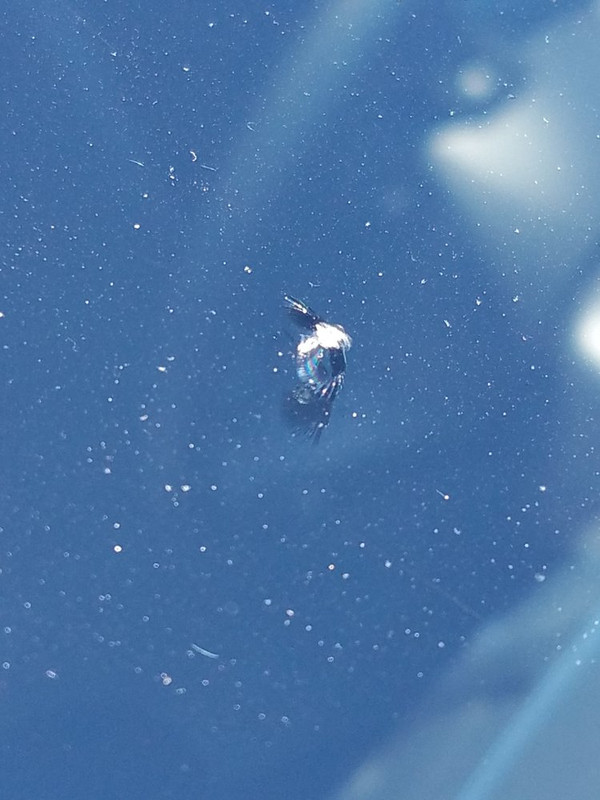
Small rock chips happen daily along Highway 311 and the US 29 merge near Greensboro. A skilled technician can usually inject resin into a chip or short crack, restore optical clarity, and stop spread. A good rule of thumb: a chip smaller than a quarter, or a crack shorter than a credit card, placed away from the driver’s primary line of sight and clear of edges, is a candidate for repair. The benefits are real. A repair is fast, retains the factory seal, and usually costs a fraction of a replacement. Many insurers in North Carolina cover chip repairs with little or no deductible because a $100 fix today avoids a $400 to $1,000 replacement later.
Edge cracks, starburst patterns that web out from impact points, or damage within the driver’s critical viewing area often call for replacement. The edge matters because stress concentrates there. I have seen a hairline crack on a chilly morning jump several inches the moment the defroster warmed the inside glass, especially on vehicles parked overnight along North Main in open air. If you can feel rough glass when you drag a fingernail across the break, or if the damage penetrates the plastic interlayer, plan on a windshield replacement in High Point instead of a repair.
The adhesives and why cure time matters
Top shops use urethane adhesives that meet or exceed Federal Motor Side window replacement High Point Vehicle Safety Standard 212/208 requirements. What does that mean for a driver? The adhesive must reach a safe drive-away strength so the windshield will not separate during a crash where airbags deploy. Drive-away time can range from 30 minutes to several hours depending on the adhesive brand, temperature, and humidity. A summer afternoon off Westchester Drive is different from a frosty January morning in Emerywood.
Pros monitor temperature and humidity, set timers, and use primers that promote adhesion to both the pinchweld and the glass frit. They also avoid contaminating the bond line with skin oils or cleaner residue. One owner warned me his last shop “wiped the paint with Windex and went at it.” He returned months later with rust blooming along the upper pinch weld. The correct sequence is glove up, scuff if required, clean with proper solvents, apply primer, lay a continuous bead, and set the glass without smearing the adhesive path. Shortcuts are not visible at pickup, but they show up later as wind noise, leaks, or corrosion.
High Point specifics: roads, weather, and glass stress
The Triad’s roads are a mix of fresh asphalt, construction zones, and aging surfaces that vibrate more than you think. Vibration, combined with seasonal temperature swings from the high 20s to the upper 90s, stresses glass. Cracks tend to lengthen when drivers blast hot defrost on freezing mornings or run the AC cold against a sun-baked windshield after work. Parked cars at furniture showrooms and school lots collect thermal load too. Small chips left unrepaired often spider after a few weeks of these cycles.
Local traffic patterns also raise the odds of chips. Dump trucks on I-85 often shed gravel from tailgates that were not latched fully. If you spend hours on US 311 behind construction vehicles without mud flaps, your likelihood of a fresh pit rises. Professional shops in High Point see these patterns daily. They stock the right resins and glass, and they have mobile auto glass in High Point for days when you cannot break away from the office on Eastchester or a jobsite in Jamestown.
Why mobile service is not a compromise
Mobile auto glass in High Point, when done by a qualified team, delivers the same quality as in-shop service. The van carries OEM or OEM-equivalent glass, primers, urethane, and the setting tools to position the windshield at the correct height and reveal. The technician handles site selection, often choosing the lee side of a building to reduce dust and wind. If the weather turns, a pop-up canopy protects the opening. The main limitation is temperature and humidity. On a cold snap day, a reputable company will warn you that drive-away times are longer, or they will suggest an in-bay appointment.
The convenience matters. A working parent can get a side window replacement in High Point while the SUV sits in the driveway during naptime. A sales rep can schedule a windshield swap in the lot between client calls. If you choose mobile, ask about their process: Do they protect the fenders with covers? Do they vacuum broken glass from ducts and seats? Do they recalibrate ADAS on-site or route you to a partner facility?
ADAS calibration is not optional
Many cars built in the last five to seven years require camera calibration after windshield replacement. Some require radar or lidar checks as well. ADAS calibration in High Point appears in two flavors, static and dynamic. Static requires a level bay, targets set at precise distances and heights, and a scan tool connected to the vehicle. Dynamic requires a test drive at specified speeds and conditions while the scan tool monitors and adapts. Some models need both.
Skipping calibration or trusting a generic reset can degrade performance. Lane keeping might drift a foot to the right. Automatic braking could trigger late, or in rare cases, trigger when nothing is there. A pro shop reads the service information for your exact VIN, follows target setup down to millimeters, and documents pre- and post-calibration values. Expect to see a printout or digital record. If a shop says “your car will learn on its own” without checking the spec, that is a red flag.
The glass itself: OEM, OEM-equivalent, and the truth about price
Not all windshields are equal. OEM glass carries the automaker’s mark and matches the original for thickness, acoustic interlayer, tint, and sensor windows. OEM-equivalent glass from reputable manufacturers often matches these specs and carries DOT markings and certifications. Cheaper imports can fit, but you may notice optical distortion, waviness near the edges, or thicker ceramic frits that confuse rain sensors. I have seen aftermarket windshields that created a funhouse effect along the passenger side. It drives your eyes crazy, and it is not something you can “get used to.”
Pricewise, OEM can run 20 to 60 percent higher than aftermarket depending on the make. Some vehicles, especially European brands with head-up display or infrared coatings, practically require OEM to keep systems happy. A seasoned High Point auto glass repair shop will explain the options, show you the brand, and tell you where it was made. They will also warn you if a bargain panel may complicate ADAS calibration or create wind noise because the curvature is slightly off.
Side and rear glass: different materials, different stakes
Side and rear windows are almost always tempered, not laminated, and they shatter into small cubes when struck. That is intentional for safety, but it creates a mess. A side window replacement in High Point is less complex than a windshield, yet it demands care. Door panels must come off without breaking brittle clips. The regulator and tracks need inspection to ensure they were not bent by the break-in or impact. Professionals vacuum the door cavity and window channel so stray glass does not scratch the new pane as it cycles.
Rear glass replacements on SUVs and hatchbacks sometimes include defroster grids, antennas, and even wiper mounts. Adhesives here also have cure times. Ask the tech about taping and how long to avoid car washes. A rushed trip through a high-pressure wash on the same afternoon can lift a fresh bond on a hatch glass.
Water management, wind noise, and the small details that matter
Good installs are quiet. If you hear a whistle at 45 mph near the A-pillar after a replacement, something is off. A small reveal gap, missed clip, or a gummy molding can channel air. Pros road test and listen. Water management also differentiates a slapdash job from a careful one. The cowl area at the base of the glass drains rain into channels that route it to the ground. If debris blocks these paths when the cowl is reinstalled, you get damp carpets or mildew smells after storms. A thorough tech clears leaves, pine needles, and mud, and then reseats the cowl so the clips engage evenly across the length.
Rust is the quiet killer. If a windshield was replaced in the past and the pinchweld was scratched to bare metal without primer, corrosion creeps under the urethane. The next installer pulls the glass and finds flaky edges that will not hold a bead. Correct repair involves sanding, rust converter or epoxy primer, and sometimes body work. It adds time. A professional explains the find, shows photos, and resets expectations.
Insurance, cost, and how to make the process painless
Many High Point drivers carry comprehensive insurance that covers glass. Deductibles vary, often from zero to $500. If your deductible is higher than the cost of a repair, pay out of pocket and keep the claim off your record. If it is equal to or lower than the cost of a replacement, have the shop bill insurance directly. Professional shops handle approvals, glass part number verification, and calibration line items so you are not stuck between the vehicle and an adjuster who has never calibrated a camera.
Beware of anyone who pushes you to file a claim for a tiny chip without explaining your options. The ethical approach is to quote both insured and cash prices and let you decide. You should also expect clear pricing on add-ons like moldings, rain sensor gel pads, and clips that often break during removal on older vehicles.
How professional shops protect your car and your time
I watch for a few tells when I visit a new facility. Are the glass racks organized with protective sleeves? Do they use fender covers, seat covers, and floor mats before they begin? Is the urethane within its shelf life, and is it stored properly? These details show up in the final product. In High Point, shops that invest in ADAS calibration equipment, training, and continuing education tend to do the other small things right as well.
Mobile teams show similar discipline. They will ask you to park on a flat surface, request you hold off on slamming doors for a few hours after install, and they will leave a curing tag on the steering wheel to remind you of the drive-away time. They collect broken glass and dispose of it properly. They photograph the vehicle before and after, especially when dealing with chrome trim or fragile vintage moldings.
What can go wrong with a bargain or DIY approach
Hardware store glues cannot match a purpose-built urethane. I have seen DIY attempts where someone squeezed clear silicone into a crack between glass and body to stop a leak. It worked for a week, then channeled water into the A-pillar where it shorted an airbag connector. Glue-in rain sensors held with random adhesives misread drizzle as downpours and set wipers to high on dry glass, wearing blades and etching arcs across the windshield.
Some low-cost installers operate on volume. They skip primer to save 10 minutes, reuse moldings that should be replaced, and tell you calibration is not needed. Windshields installed without a proper dam can sag slightly, creating a ripple at the top edge that catches the sun at dusk. You will not see that on a cloudy pickup day, but you will notice it every evening on Skeet Club Road heading west.
A brief story from the field
A local contractor called after a break-in left the rear quarter glass on his work van in pieces. He was on a tight schedule and asked for mobile service. We met him behind a jobsite near Archdale, vacuumed the debris, and found the regulator cable chewed by glass shards. If we had simply installed the glass, the first cycle would have jammed and shattered it again. We sourced a regulator from a nearby parts house, installed it, then set the glass. He was back on the road before lunch, and the door card did not rattle because we replaced three clips that had lost their bite. That is the difference between swapping parts and restoring function.
Seasonal advice for High Point drivers
Summer storms hit hard here. If your windshield has a chip, park in the shade before hail or drastic heat changes. The temperature delta between a sunbaked exterior and a cooled interior can push a small chip into a running crack. In winter, avoid dumping hot water on a frozen windshield. Use a deicer spray and a soft scraper instead. Keep distance behind gravel trucks, even if it irritates drivers who want to tailgate past Wendover merges. Distance is cheaper than glass.
If you notice fogging along the edges inside the glass, that can indicate a compromised laminate on older windshields or a leak that allows moisture into the cabin. Professional inspection catches this early. A water test, done with low-pressure flow and a trim removal, finds the path without flooding the car.
Choosing the right partner in High Point
You want a shop that owns the work from start to finish. Ask a few pointed questions:
- Do you perform ADAS calibration in-house for my make, and will you provide before-and-after reports? What adhesive system do you use, and what is the safe drive-away time for today’s weather? Will you replace moldings and clips if required, or are they reused by default? What brands of glass do you stock for my model, and what are the trade-offs between OEM and OEM-equivalent? Do you offer mobile auto glass in High Point, and are there any limits to what can be done outside the shop?
You will hear the difference in the answers. Confident, specific responses signal competence. Vague reassurances and rock-bottom quotes often predict corners cut.
What a thorough visit looks like
A well-run appointment starts with a walk-around. The advisor notes existing dings, trim condition, and any warning lights on the dash. They scan the car before work to see if there are stored ADAS faults. During disassembly, they store removed parts in trays to avoid lost screws and mismatched clips. Setting blocks guide the glass to the correct height so the hood and roof lines stay even. After installation, they clean the interior glass properly, avoiding ammonia-based products that can haze tints and sensor windows. A road test follows, then calibration if needed.
If the vehicle requires a static calibration, you may see the car parked in front of targets that look like a minimalist art gallery. The tech measures distances from the wheel centerlines with a calibrated bar, not a tape measure stretched across thin air. Test drives for dynamic calibration cover specific speeds and lane markings, so a loop that includes Eastchester Drive and a short stretch of freeway is common. You should leave with documentation you can read, not just a checkbox form.
The value of local expertise
National chains have resources, but local teams know the quirks of the area. They know which intersections kick up more gravel after resurfacing, which neighborhoods attract windshield pitting from nearby industrial dust, and which parking garages have low clearance that snags roof racks and contributes to stress cracks at the upper corners of glass. They also build relationships with local dealerships and body shops, which makes parts sourcing faster when a rare molding or camera bracket is needed. A High Point auto glass repair provider who is embedded in the community has incentives to do the job right, because word travels quickly here.
When speed matters, and when it should not
Most chip repairs take 30 to 45 minutes. A straightforward windshield replacement takes an hour to install plus cure time. Side glass can be done in an hour when parts cooperate. Speed has its place, especially if your daily route includes school drop-offs and tight office calendars. But there are moments when a pro will slow down. ADAS calibration deserves that margin. So does rust remediation on the pinchweld and sourcing the correct rain sensor pad for your specific mirror mount. The best shops explain these pauses and give you realistic timelines rather than optimistic guesses that evaporate by mid-afternoon.
A quick owner checklist for aftercare
- Avoid slamming doors for the first day, which can create pressure spikes that disturb uncured adhesive. Skip automatic car washes for 48 hours so high-pressure jets do not lift fresh moldings. Leave the blue tape on for the time your installer recommends, usually a day, to stabilize exterior trim. Watch for any water intrusion after the first rain and report it immediately. If your car had ADAS calibration, pay attention to lane-keeping behavior and alerts. If anything feels off, return for a recheck.
The peace of mind you buy with professionalism
You feel it the first time you drive at night in a steady rain and the wipers sweep clean across a clear, undistorted pane. You feel it when your lane camera gently nudges you back, not because it guessed at lane edges, but because it sees them accurately through a correctly installed and calibrated windshield. You hear it in the silence where wind once whistled near the pillar. Those outcomes are not luck, they are the product of methodical work and the right materials.
When you choose professional care for windshield replacement in High Point or any glass repair, you are aligning your vehicle with its original engineering. You are also respecting the quiet role that adhesives, primers, clips, and calibration values play in your safety. It is easy to reduce glass to a commodity. It is harder to appreciate the craft until you see it done well, and then live with the result for years. The right partner makes the process straightforward and the outcome dependable, so you can get back to the road that runs from Westchester to Lexington, Greensboro to Thomasville, with the confidence that your view ahead is as clear and secure as it should be.